Misk Alfurat Shipping and Customs Clearing LLC
Home » How Does Air Freight Work? Complete Air Shipping Process
Air freight is a rapid means of transporting goods across borders and is a suitable option when the cargo is urgent, the value is very high, and the global supply chain is in place. The air freight forwarding process is a complex logistics system that enables manufacturers, traders, and importers to deliver goods quickly to foreign destinations. Air freight solutions have been a part of Misk Al Furat Shipping’s business, helping it effectively transport goods through global markets.
Air freight is the movement of cargo by aircraft, either a passenger aircraft or a dedicated freighter. It is widely used in products that require speed, temperature control, or high-quality handling. This includes:
Air freight offers transit times of hours or days, compared to sea freight, which can take 20-40 days. Time may directly affect the means of inventory, the speed of fulfilment, and customer satisfaction for importers and exporters in competitive global markets.
The air freight forwarding process involves several stages to ensure that cargo is packed well, documented, cleared, loaded, flown, and delivered. Although every shipment varies depending on its origin, cargo type, and airline capacity, the general order would be as follows:
It starts with verifying export/import records, including commodity type, HS code, shipment weight, shipment volume, airline preferences, and destination specifications. Air freight companies in Dubai, like Misk Al Furat Shipping, are in charge of:
The air cargo rates are varied depending on the weight, seasonal demand, fuel surcharge, and aircraft capacity..
The shipper or the manufacturer then provides cargo, which is then shipped to a warehouse where it undergoes screening and consolidation. During this phase, it is important to pack the goods well to prevent the shock, pressure, and changes in temperature during the flight.
Certain shipments need specialized packing depending on the regulations, such as lithium batteries, perishable good or pharmaceuticals.
Customers are also assisted by Misk Al Furat Shipping in cargo packing services to the standards provided by IATA and airline handling.
In case a shipment forms part of a larger supply chain, this can also include storage, staging, and scanning in a warehouse company in Dubai to make the cargo ready to fly.
Air cargo needs elaborate compliance paperwork. Typical paperwork includes:
Freight forwarders are very important since they are the ones who make sure that cargo complies with the requirements of the customs and airlines. Lost or wrong documentation may slow down the air shipment or halt it completely.
Prior to loading, cargo has to be screened according to the international aviation security measures. Methods include:
This phase guarantees air security and is compliant with ICAO and IATA safety requirements in aviation. A large number of the airports in the UAE have high-level scanning infrastructure that facilitates high cargo throughput.
The most popular question is: What does air freight loading mean?
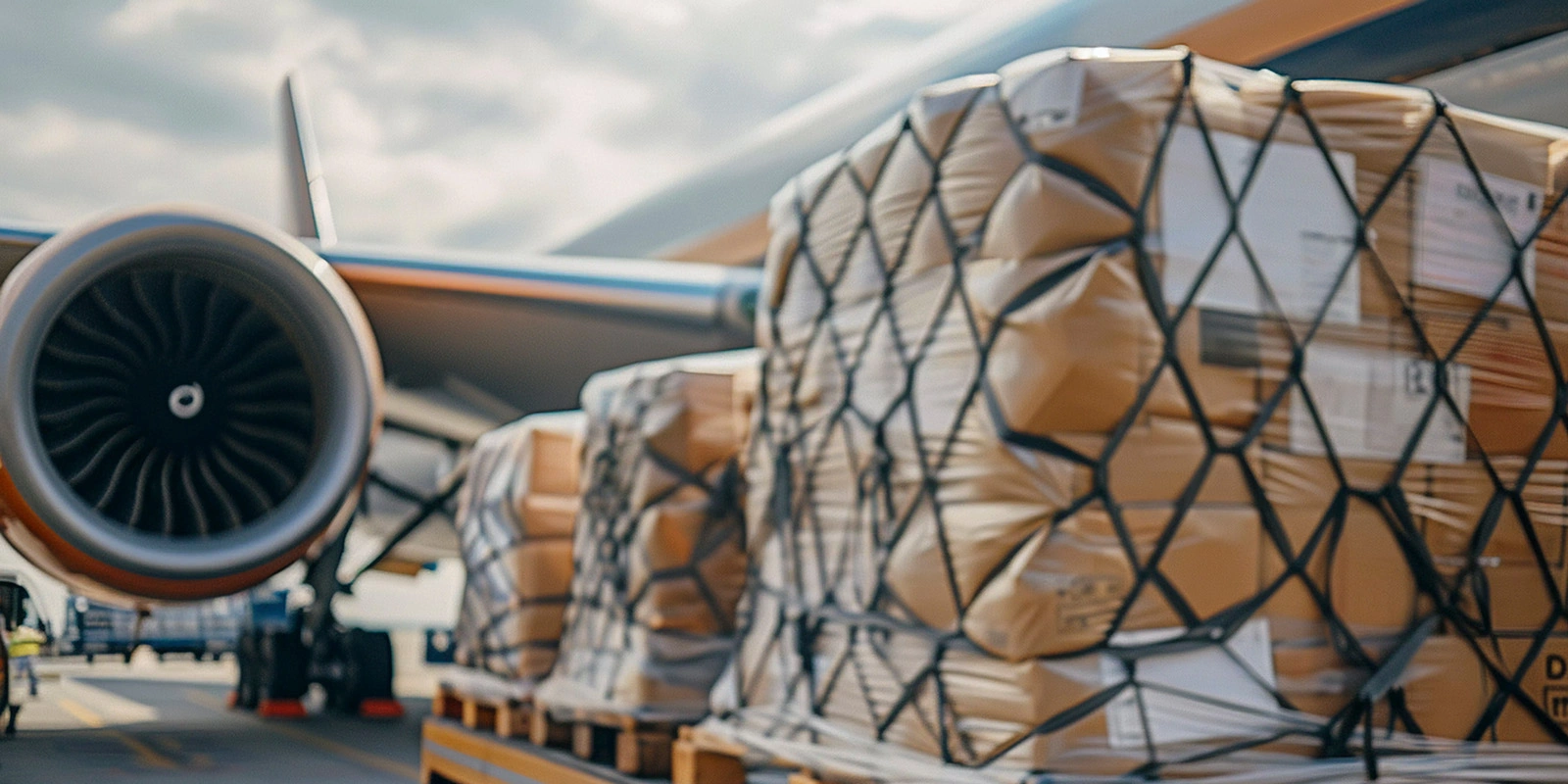
Air freight loading is the process of loading cargo into Unit Load Devices (ULDs), including pallets or containers that are then fastened into the cargo hold of the aircraft.
ULDs are useful in optimizing the space in the aircraft and also ensuring that the goods are not moved or pressured during flight. This has been particularly significant with long-haul international air freight.
Cargo is then flown to an airport where it is intended to go, either directly or via transit hubs. Air cargo transportation is a significant center of air transportation in the global community because of airline networks such as Emirates SkyCargo and Etihad Cargo that link Asia, Europe, Africa, and North America.
This renders global air freight a competitive option to firms exporting high-value products in Dubai.
A large number of logistics customers will make comparisons on shipping modes prior to strategizing supply chains, including sea freight shipping, which is economical in cost but slow in transit.
On entry, the cargo in the destination country is cleared through customs. The duties on import, Hs codes, product regulations, and grading differ according to the nature of the commodity and country laws.
Firms such as Misk Al Furat Shipping help importers in terms of complete customs clearance services to evade delays, storage costs, and compliance problems.
Upon clearance, the cargo is discharged and handed over to last-mile delivery or warehouse delivery.
Shipments are delivered through trucking once customs are released. The delivery companies also provide proof of delivery (POD) documents to show the delivery of cargo by the consignee.
This is the accomplishment of the air freight international shipping cycle.
The air freight market in the world provides several service plans based on the urgency and cost:
Suitable in terms of general cargo with moderate urgency and at a competitive rate.
Premier level on overnight or time-definite deliveries.
Cost-effective model with cargo being allocated to available flights.
Various deliveries are combined to minimize the price and enhance the efficiency of the loads, typical among importers working with smaller quantities.
Air freight is commonly used in the UAE region, and more so in Dubai, to carry:
To the importers, the greatest benefits are:
The air freight forwarding process is a complicated integrated logistics process that entails screening, packing, customs, airline coordination, and the end delivery. Air freight provides companies with the opportunity to conduct business in the global markets based on speed, reliability, and efficiency in fast-moving supply chains. Misk Al Furat Shipping offers professional freight management, customs management, and end-to-end air logistics services to importers and exporters to have a smooth delivery through air freight without delays.
 Prism Digital