Customs Clearance Fees by Country: What Impacts the Final Clearance Cost
Home » Customs Clearance Fees by Country: What Impacts the Final Clearance Cost
Freight expenses are not the only cost in international shipping; the customs clearance fee is one of the most significant and misunderstood cost elements. For a business involved in importing goods into the UAE, Europe, Asia, or North America, it is possible to better predict costs, compliance, and delivery schedules by understanding country-specific variations in clearing costs.A customs clearance fee is the fee imposed by customs authorities for the preparation of documentation, the making of declarations, and the final completion of compliance checks to clear the goods. The name is very simple, but the price varies widely because each nation has its own regulations, taxes, risk mitigation measures, and port infrastructure.
Why Customs Clearance Fees Vary Globally
Despite the universal nature of customs clearance, which is supposed to authorize the import of goods, no two countries charge the same price. The difference in customs clearance fees is attributed to a number of factors:
National trade policies
Tax and importation regimes.
Security screening
Food vs. electronics profile (e.g., risk profile)
Port and port infrastructures.
Workforce and paperwork concerns.
Electronic and paper-based clearance systems.
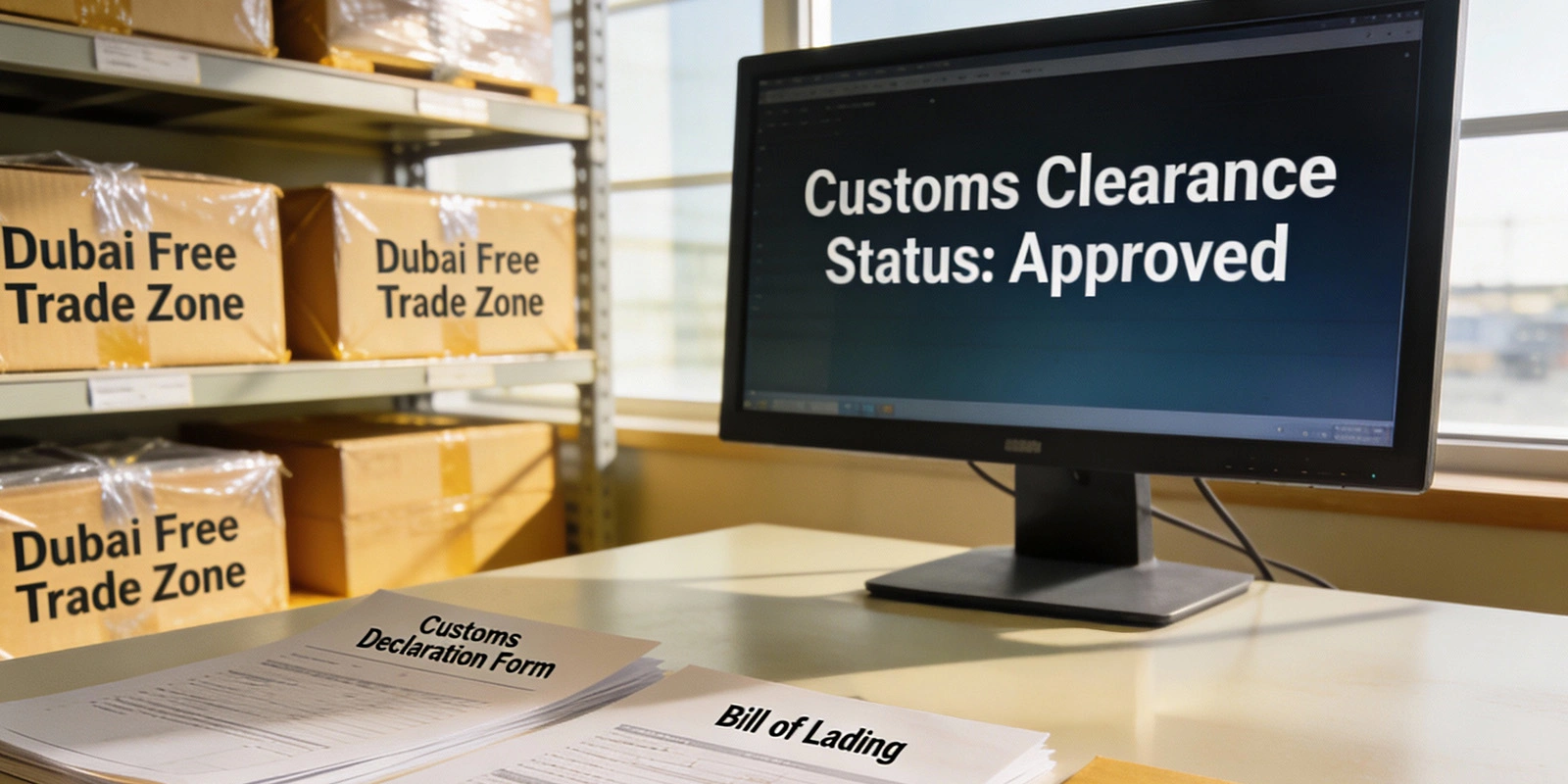
Free trade zones or simplified systems (e.g., UAE, Singapore) are more likely to offer cheaper clearance processing costs and reduced release times. The shipments can take days, and there may be other fees in countries where processing is highly manual or where import regulations are complex.
How Clearance Differentiates
The UAE is regarded as one of the most effective clearance environments in the world. Bonded warehousing and online declaration systems integrated in Dubai reduce handling time and administrative costs. High logistics centers also reduce the number of bottlenecks during the process.The most frequent query many importers ask is how much is custom clearance fee in USA, and the answer to this question will be given based on the customs broker rates, commodity type, and bonded fees.Tariffs and classification scrutiny are key cost drivers in China and India. Along the EU, clearance costs are affected by VAT compliance and unified tariff codes more than by duties. Such variations indicate that importers need to use customs to determine landed costs rather than just freight costs.
What Makes Up the Clearance Fee for Customs?
An average clearance fee customs system can comprise:
Customs broker service fees
Documentation charges
Examination fees
Bond or guarantee fees
Port handling
Warehousing or demurrage
Local tax submissions
These are not imposed on every shipment, but importers need to plan for them when determining landed costs.
Role of Customs Brokers and Clearing Agents
Most nations require licensed brokers to clear goods. Brokers deal with statements, classification (HS codes), and tariff calculation. The question that importers normally put across is how much do clearing agents charge, and the reply is based on:
Shipment volume
Type of commodity
Country regulations
Value of the goods
Mode of transport (air, sea, land)
Using the above example, clearing electronics through the UAE air is generally cheaper and quicker than clearing foodstuffs through the South Asia sea, due to inspection and quality checks.
Secret Clearances and Special Certifications
Shippers can be confused by some terms, such as the cost of a secret clearance or how much is a secret clearance, but this is a matter of national security staff vetting and not the business of logistics. Such terminology is occasionally found on the internet, which can confuse businesses; hence, one should be sure when searching for customs fees and charges related to freight.
Impact of Transport Mode on Clearance Costs
In clearance timing and pricing, the mode of transport is a main factor:
Air Shipments
Air transportation is faster because the clearance volume is smaller and the systems are simpler. Digital air freight tracking reduces the risk of misplacement and improves document accuracy.
Sea Shipments
Sea shipping involves additional handling and port charges, and sea freight rates vary by season due to capacity and fuel costs. Storage charges can be accrued when there is a delay in paperwork.
Land Shipments
Land imports are subject to change depending on border controls, particularly for cross-regional transportation such as GCC deliveries into Saudi Arabia or Oman.
How Long Does Customs Clearance Take?
A lot of importers ask themselves how long does it take for packages to clear customs. The answer is based on:
Complete documentation
Commodity type
Selecting an inspection randomly.
Duty & VAT payments
System processing speed
In extremely digitized setups like the UAE, clearance can take place in hours. It can take days or weeks in the developing systems.
Key Cost Drivers Across Countries
The following are some of the significant variables that affect the costs of clearance across one country to another:
Compliance: A country with high taxes is complex. The additional verification is provided by VAT-based regions, such as the EU.
Security and Inspection Protocols: Biosecurity countries screen animal and agricultural products, especially in countries like Australia.
Documentation Requirement: Paper-intensive systems increase clearance costs and take more time for brokers.
Infrastructure and Port Technology: Manual systems and older clearance systems are more expensive than automated ones, and this cost is reflected in the clearance price.
Free Trade Agreements: FTAs will lessen the duties and the overall cost, but will raise the paperwork for non-certificate of origin holders.
Why Businesses Prefer Dubai
Dubai is among the fastest-paced logistics centres in the world owing to:
Digital customs systems
Bonded warehousing
Competitive customs clearance fees.
Well-placed ports and airports.
Availability of international freight transport companies.
Various importers use the services of providers such as Misk Al Furat Shipping, particularly for regulated cargo or multimodal shipments. Customers usually bundle logistics and warehouse support services with customs services to ensure safe storage, duty-suspended, and inventory preparation.
Conclusion: Understanding the Real Cost of Customs Clearance
Goods clearance does not have a universal price. The ultimate custom clearance fee depends on factors such as duty regimes, inspection procedures, documentation, and infrastructure. Planned importers who take such differences into account are better positioned to eliminate delays, achieve lower landed costs, and sustain a smooth supply chain.When a business is shipping to the UAE and other countries, a reliable supplier such as Misk Al Furat Shipping can help ease compliance, decrease additional expenses, and enhance the efficiency between the source and the destination.
This site is registered on wpml.org as a development site. Switch to a production site key to remove this banner.

 Prism Digital