Warehousing and Distribution Management: Key Strategies and Best Practices
Home » Warehousing and Distribution Management: Key Strategies and Best Practices
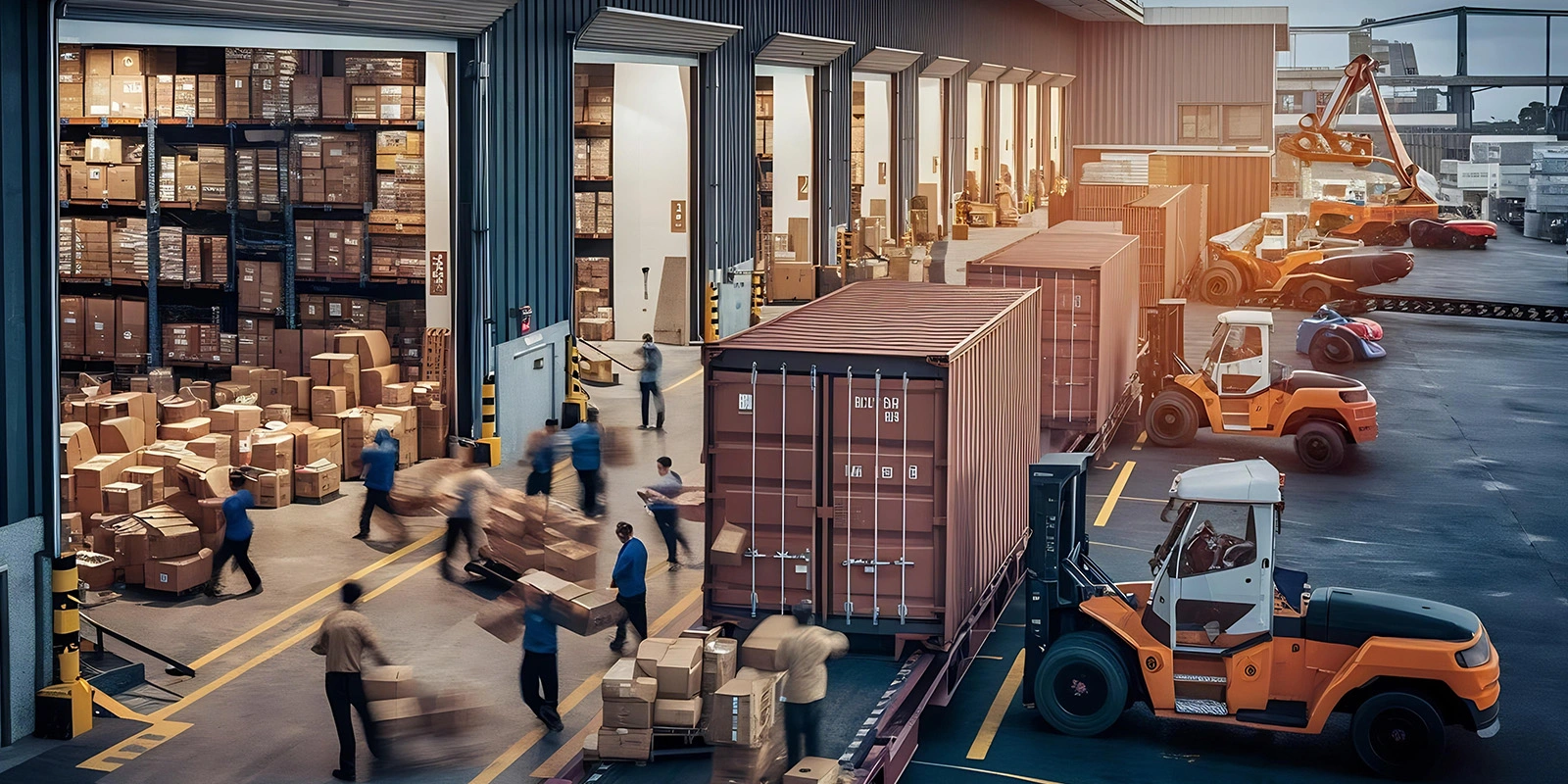
Warehousing and distribution management is very important in the current competitive logistics environment, where it is essential to deliver goods at the right time, in good condition, and at the lowest possible operating cost. The supply chain in today’s world requires speed, flexibility, and high service reliability, and any company that streamlines its warehousing and distribution infrastructure gains significant market leverage.Being a UAE-based logistics and freight forwarding company, Misk Al Furat Shipping realizes the direct correlation between the streamlined storage, processing, and distribution flows and the company’s growth, customer experience, and performance in the fields of international trade. The warehousing and distribution facilities are particularly significant in markets such as Dubai, where large volumes of global imports, re-exports, and e-commerce transactions demand smooth deliveries.
What Is Warehousing and Distribution?
The question many companies tend to pose is what is warehousing and distribution and in what ways these functions are different or related. Warehousing is the storage of physical goods before delivery, and distribution is the movement of those goods to their final locations, whether to wholesalers, retailers, or end consumers.All these activities constitute a key element in warehousing in supply chain management, where companies see the opportunity to manage inventory, manage demand variability, minimize delivery times, and optimize shipment costs through several modes.
Warehousing in Logistics and Supply Chain Management
Storage is not the only value added by warehousing. It enhances the supply chain agility by making it possible:
Buffer inventory versus variable demand.
Product sorting and consolidation.
Packaging and labeling
Shipment kitting and bundling.
Processing of reverse logistics.
Quality check and returns management.
As an example, e-commerce organizations based in Dubai usually use a strategic warehouse company in Dubai to keep imported goods before distributing them to various parts of the Middle East.
Difference Between a Warehouse and a Distribution Center
Although the two terms are frequently used interchangeably, there are operational differences between them. The difference between a warehouse and a distribution center is their purpose:
The warehouses are mainly used for warehousing and storage of goods on a long-term basis.
Distribution centers are concerned with quickly moving stocks and order fulfillment.
In other words, warehouses are places where goods will be stored, and distribution centers will move. This is connected to the other popular question: Is a distribution center long-term storage? In most cases, no. Distribution centers normally assist in short-term movement, processing, and dispatch.Thus, the distinction between a warehouse and a distribution center is important when drawing a lean supply chain approach.
Key Components of Warehousing and Distribution Center Operations
The warehousing and distribution center operations need to be coordinated among a number of functional areas, which include:
1. Inventory Distribution and Control.
Inventory distribution is a sound decision where the right product is at the right location and quantity. The methods of inventory control, which include FIFO, LIFO, FEFO, and demand forecasting, are used to minimize waste and stock-outs.
2. Layout Optimization and Space.
The use of smart layout design enhances product access and saves labor time. Examples include:
Vertical racking
Cross-docking lanes
Zone-picking areas
Staging and consolidation areas.
Public warehouses are the two fundamental types of warehouses, which are utilized by two or more clients, and the second one is private warehouses; these belong to one organization.
3. Technology and Automation
The trend of digital transformation is accelerating in the logistics industry, particularly in trade hubs such as the UAE. Warehouse Management Systems (WfMS), RFID, Internet of Things, barcode scanners, and robotics are the tools that enhance the efficiency of inventory visibility and throughput.
Strategic Warehousing Practices for Modern Supply Chains
The best practices enjoyed by businesses that have incorporated warehousing in logistics and supply chain management include:
Demand Forecasting and Planning
Planning inventory in advance based on sales information, seasonality, and sourcing conditions across the world.
Cross-Docking
Cross-docking also minimizes or eradicates storage through direct transfer of inbound to outbound transport. This technique is best suited to high-velocity consumer products.
Safety and Compliance
Maintaining warehouses in relation to occupational health and safety standards is a way of ensuring personnel safety and avoiding cargo damage.
Distribution Management Best Practices
Distribution management deals with operations that transport goods out of the warehouses to their ultimate destinations. Key best practices include:
Multi-Modal Transport Integration
The logistics ecosystem of Dubai is based on coordinated air freight shipping, sea transportation, land transportation, and multimodal processing of customs. This offers the flexibility and cost efficiency between the customer demand cycles.
Real-Time Visibility and Tracking
Visibility tools like sea freight tracking solutions enable businesses to track their shipment in the global transit, which minimizes uncertainty and improves customer service.
Customs and Trade Compliance
Efficient customs handling is demanded by the fast-moving distribution. Collaboration with a customs clearance company can be used to avoid delays, fines, and the detention of cargo.
Dubai as a Regional Distribution Hub
The UAE has been able to become a logistics hub in the world because of its strategic location between Asia, Europe, and Africa. Free zones like JAFZA, DWC, and Dubai South attract the distribution operations of the region because of:
Favourable business regulatory policies.
Well-developed port infrastructure.
Top aviation cargo connectivity.
Customs efficiencies
New warehousing units like Emirates Logistics Warehouse complexes.
Such an environment is favorable to logistic firms such as Misk Al Furat Shipping that cater to international importers, e-commerce, and manufacturers.
Cost Considerations and Operational Efficiency
One of the major aims of warehousing and distribution is to optimize costs. There are three key cost factors:
Storage costs
Handling and labor costs
Delivery and transportation expenses.
In land trucking activities, such as in businesses, land freight costmodels are often analyzed to determine the best routes for distributing goods throughout the GCC.
Conclusion
Warehousing and distribution management is no longer a simple storage and dispatching activity – it can be a strategic differentiator that provides greater inventory management, shortened lead time, customer satisfaction, and profitable operations of the supply chain. For enterprises that have their operations in the UAE, effective warehousing and distribution channels guarantee the rapid transit of their products between international sources and their end-users in the country.Misk Al Furat Shipping provides support to importers, exporters, manufacturers, and online retail businesses with integrated logistics solutions, including warehousing, freight forwarding, and multimodal transport. With the increased complexity of supply chains, investment in modern warehousing and distribution solutions will remain among the most significant enablers of operational success in the current environment of global commerce.
This site is registered on wpml.org as a development site. Switch to a production site key to remove this banner.

 Prism Digital